Understanding the cost of an industrial heat press machine is important for businesses in textile printing, sublimation, and large-scale transfer production. In 2026, there is no fixed price for industrial heat presses because each machine is typically customized based on production requirements, machine type, automation level, and material applications.
Instead of focusing solely on a number, buyers should consider overall investment, productivity, and long-term operational costs when evaluating equipment options.
Industrial Heat Press Machine Type | Typical Price Range (USD) | Suitable Applications |
Small industrial flatbed heat press | $3,000–$10,000 | Small textile production,sampling,customized orders |
Rotary heat press machine | $10,000–$40,000 | Sublimation transfer,continuous textile production |
Roll-to-roll heat press machine | $15,000–$50,000+ | High-volume fabric printing and industrial manufacturing |
Fully automatic heat press production line | $50,000+ | Large-scale factories and automated production |
Industrial heat presses are designed for large-scale production, which makes their price highly variable.Manufacturers typically provide quotes based on the following factors:
Machine specifications and size
Production volume and speed
Material applications
Automation level (semi-automatic or fully automatic)
Optional features such as multi-zone heating or pressure control
Installation, shipping, and training services
The most reliable way to determine the cost is to request a customized quotation directly from Eastsign.
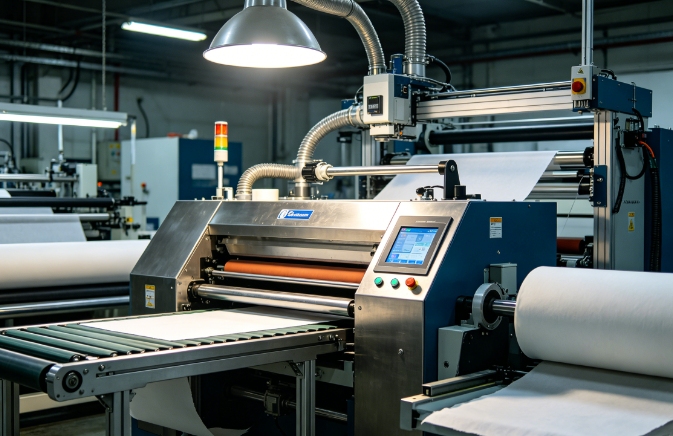
Several factors influence the cost of an industrial heat press machine
| Factor | How It Affects Cost |
|---|---|
| Machine Type | Rotary heat presses generally require more components than flat or multifunction presses |
| Working Width | Larger machines involve higher manufacturing and material costs |
| Automation Level | Fully automatic systems reduce labor but increase initial investment |
| Production Capacity | High-output machines require advanced engineering for consistent quality |
| Customization | Special features or unique voltage requirements can increase total cost |
Production Requirements: Daily output, production speed, and product type dictate machine configuration.
Material Compatibility: Machines may be designed for polyester, PVC, vinyl, or coated fabrics, affecting heating and pressure systems.
Automation and Control Features: Semi-automatic machines require more manual operation, while fully automatic machines improve efficiency, reduce labor, and ensure consistent quality.
Durability and Maintenance: High-quality components increase lifespan and minimize downtime. Consider energy efficiency, spare parts availability, and service support.
Total Cost of Ownership and Profitability: Investing in the right machine can improve ROI through faster production and reduced labor.
| Machine | Suitable Application | Key Features |
|---|---|---|
| MOT-BOT H Series Heat Press | Multifunction production | Medium-high output, textile printing, transfer projects |
| RTR-H Series Heat Press | Roll-to-roll sublimation | Large-format textile production, continuous printing |
| Industrial High-Speed Rotary Heat Press | High-volume manufacturing | Maximum productivity, stable output quality |
| Calendar Heat Press Systems | Large-format fabric transfer | Industrial-scale production |
Selecting the right heat press depends on production volume, material type, automation needs, and overall efficiency. Eastsign offers solutions that balance cost, productivity, and reliability for different production scenarios.
In 2026, the cost of an industrial heat press machine is determined by production requirements, machine type, automation, and material applications rather than a fixed number. Evaluating long-term operational costs, durability, and efficiency ensures a smart investment.
Costs vary depending on machine type, automation, production capacity, and custom features. Contact Eastsign for accurate quotations.
Profitability depends on machine selection, production efficiency, and workflow. Choosing the right heat press can maximize output and return on investment.
Prices depend on configuration and production needs. Eastsign can provide a detailed quote based on specific requirements.
The best machine depends on production volume, material type, and automation needs. MOT-BOT H Series, RTR-H Series, and High-Speed Rotary Heat Press are recommended options from Eastsign.


